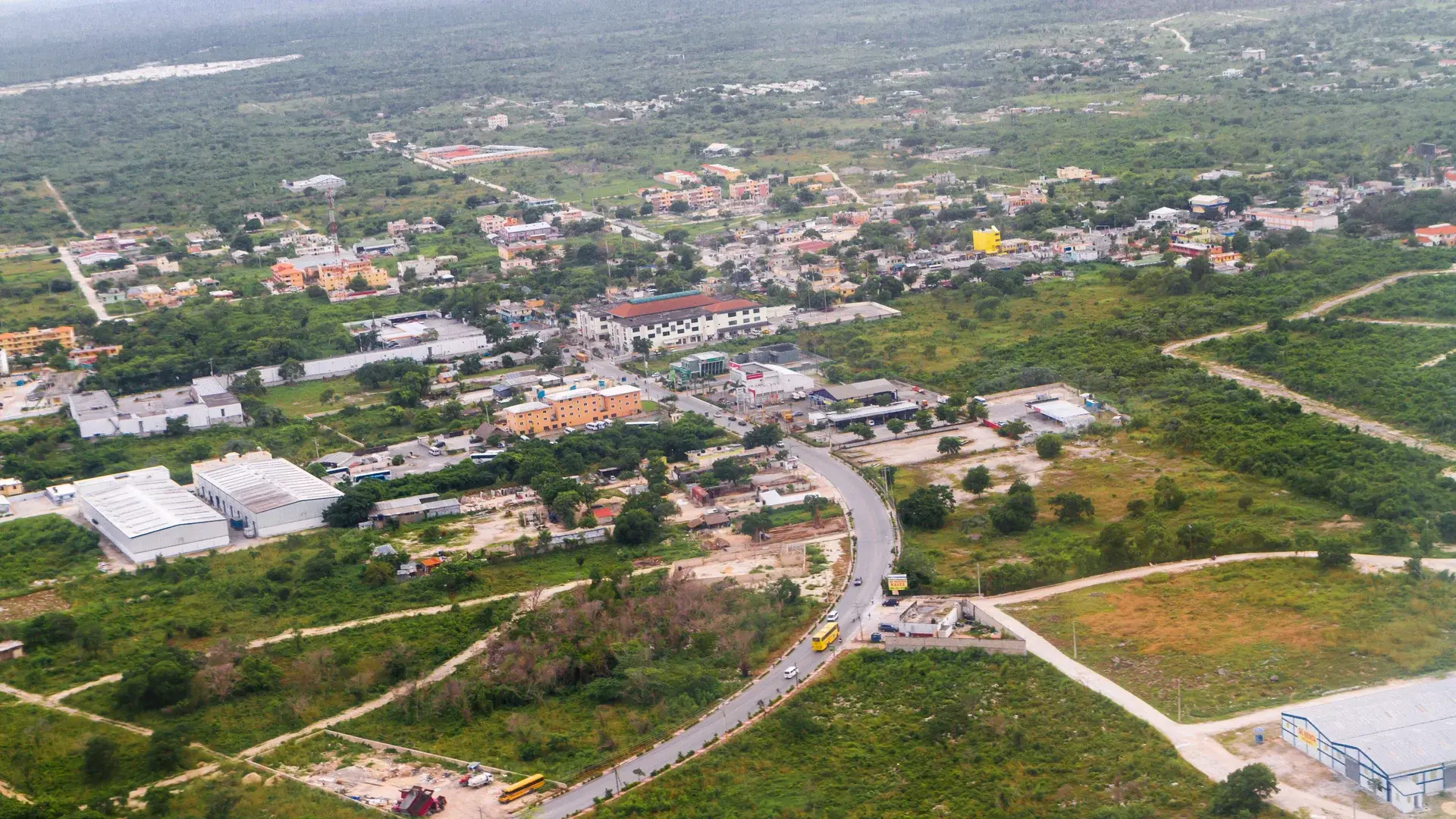
Where is Macao beach?
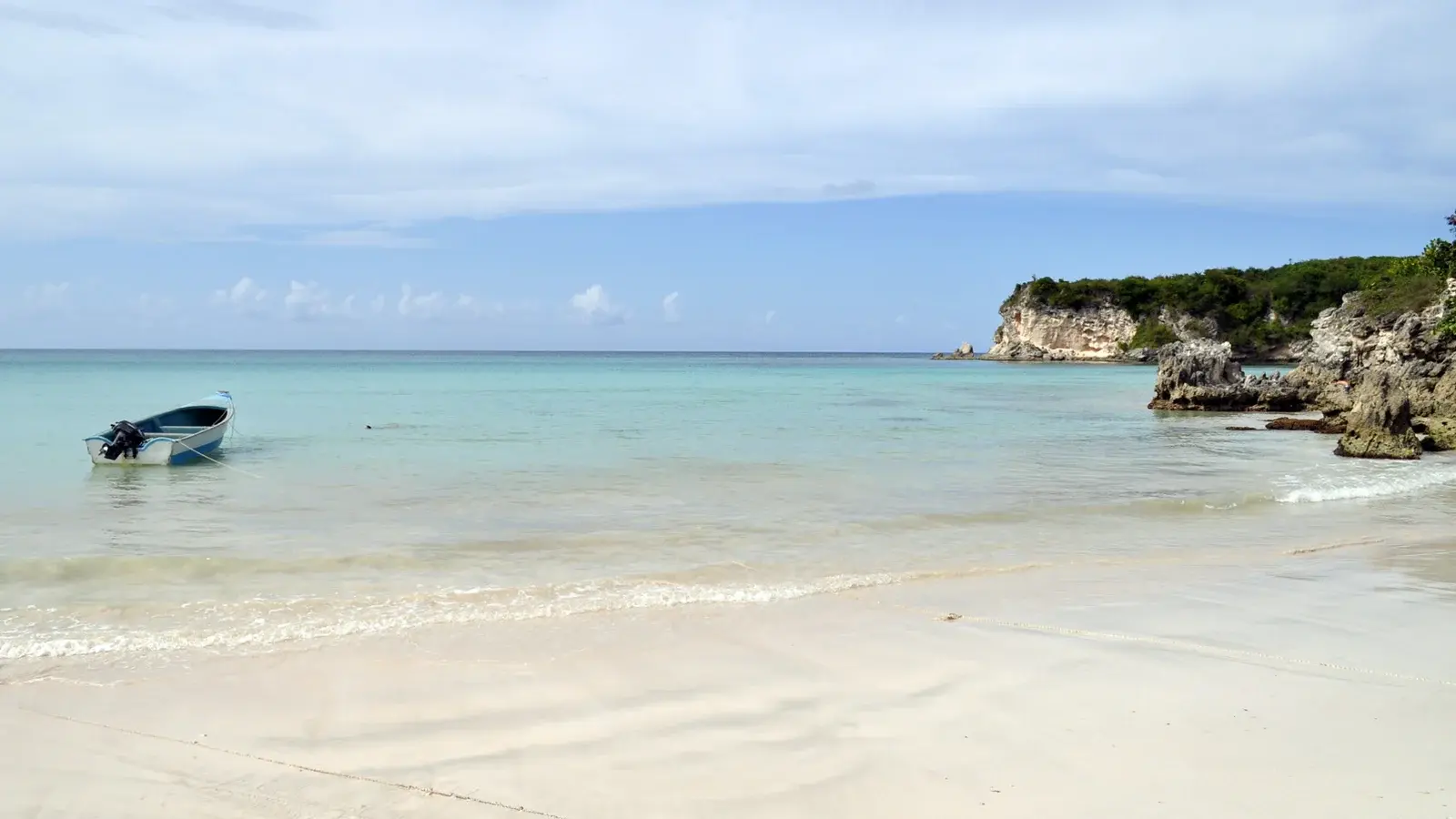
At the northern end of the Punta Cana region. The Ministry of Tourism describes Playa Macao as a very wide, golden, palm-lined beach known for its swells and trade winds, and calls it a surfer's favourite.
Surf classes for every level run all year on the sand, particularly at weekends, and the ministry singles out the local restaurants for Dominican-style fish plates. Officially, Macao is one of the parajes of the Verón-Punta Cana district, explained in our guide to which name is which.
Macao or Juanillo: waves or calm water?
Macao for waves, Juanillo for calm. On its Punta Cana page the Ministry of Tourism sends you to Macao for a more natural setting and surfing, and to Juanillo to relax in calm turquoise water.
For families it names Cabeza de Toro, and it calls Bávaro the main resort area. Those four words, surf, calm, family and resort, are the simplest way to choose.
Juanillo beach, in Cap Cana
Juanillo is the beach of Cap Cana, a private development on the eastern coast, minutes from the airport. The Ministry of Tourism describes miles of powdery white sand under very tall palms, clear turquoise water and a handful of bars and restaurants that serve you at your lounger.
Wind is part of the appeal: the ministry lists kiteboarding alongside volleyball, snorkelling and kayaking. Getting in means passing Cap Cana's own access control.
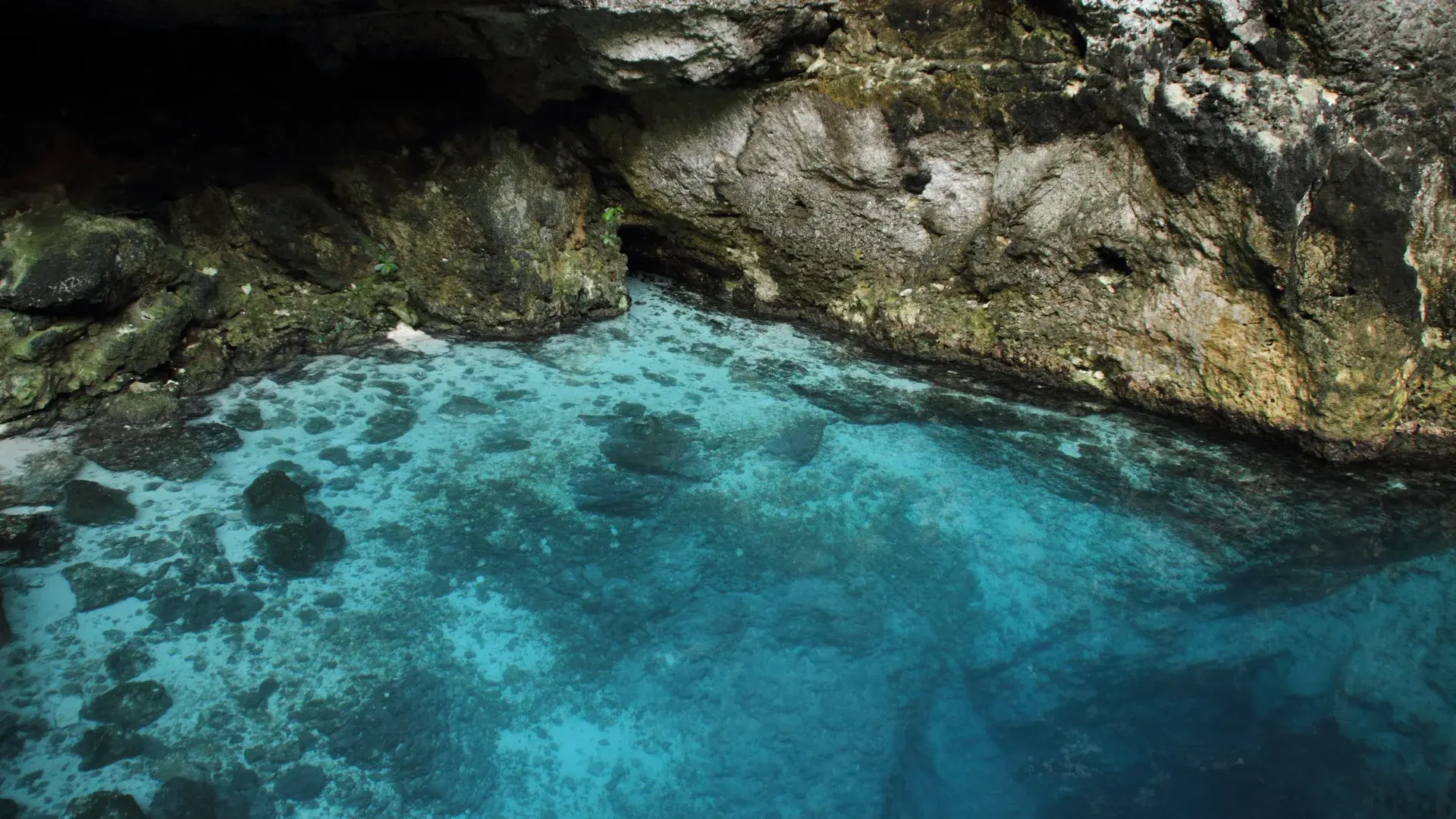
On the airport's 2024 sheet, a taxi to Cap Cana costs US$30 one way. The cenote at Hoyo Azul is in the same development, so the two fit into one day.
Cabeza de Toro and Uvero Alto
Cabeza de Toro is the Ministry of Tourism's family beach; Uvero Alto marks the northern edge of the district. The bill that created the Verón-Punta Cana district put its northern limit on the Atlantic at Uvero Alto, and listed both as parajes of the El Salado section.
Both appear in the Ministry of Environment's 2025 sargassum operation, which inspected more than 15 hotel properties between Uvero Alto and Cabeza de Toro. Beyond that, we found no official page on either beach, so we stop there.
Four beaches side by side
| Beach | What the Ministry of Tourism highlights | Taxi from the airport, one way (2024 sheet) |
|---|---|---|
| Bávaro | The main resort area | US$25 to Pueblo Bávaro, US$35 to El Cortecito |
| Macao | Swells, trade winds and surf classes all year | US$60 to Dreams Macao |
| Juanillo (Cap Cana) | Calm turquoise water, bars and kiteboarding | US$30 to Cap Cana |
| Cabeza de Toro | Family-friendly | Not listed by name on the sheet |
| Uvero Alto | No ministry page; the district's northern limit | Not listed by name on the sheet |
Are the beaches in Punta Cana public?
Yes, the beaches themselves are public. Article 15 of the Dominican Constitution says beaches and coasts belong to the public domain and are freely accessible, while private property is always respected.
The same article leaves the conditions of access to the law, so in practice the way onto the sand depends on the land behind it. In Cap Cana, for example, you go through the development's access control before you reach Juanillo.
Sargassum beyond Bávaro
These beaches face the same seaweed season as Bávaro. Resolution 0046-2025 of the Ministry of Environment, dated 10 July 2025, set the rules for clearing sargassum from Dominican beaches, and its field checks ran from Uvero Alto to Cabeza de Toro.
When it arrives and why some days are worse than others is in our Punta Cana sargassum guide.
From the beach to the night
Every beach here is a day trip from the nights in Bávaro. A Dominican-style fish lunch in Macao suits a slow afternoon before you head back to the hotel and then out.
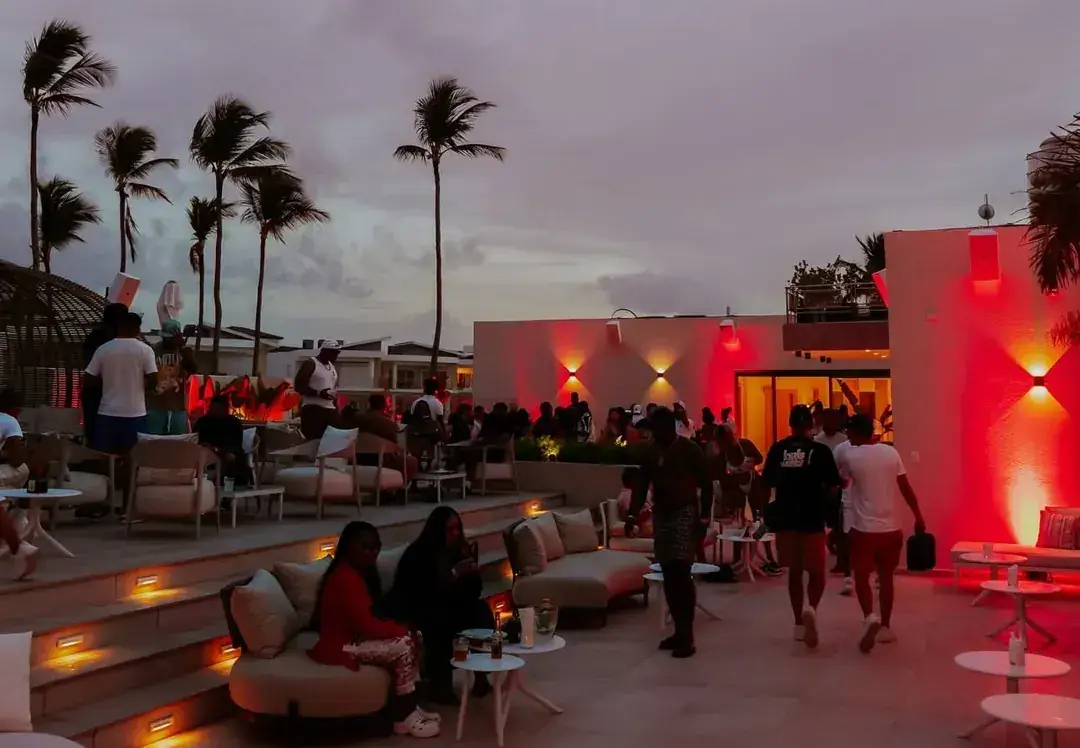
The evening plan sits on our Bávaro nightlife page, with Cielo Beach Club on Los Corales beach, and every airport fare is in our Punta Cana airport taxi guide.