Skip to the contentPunta Cana 2027: the list hears it first when the new dates go on saleJoin the 2027 list
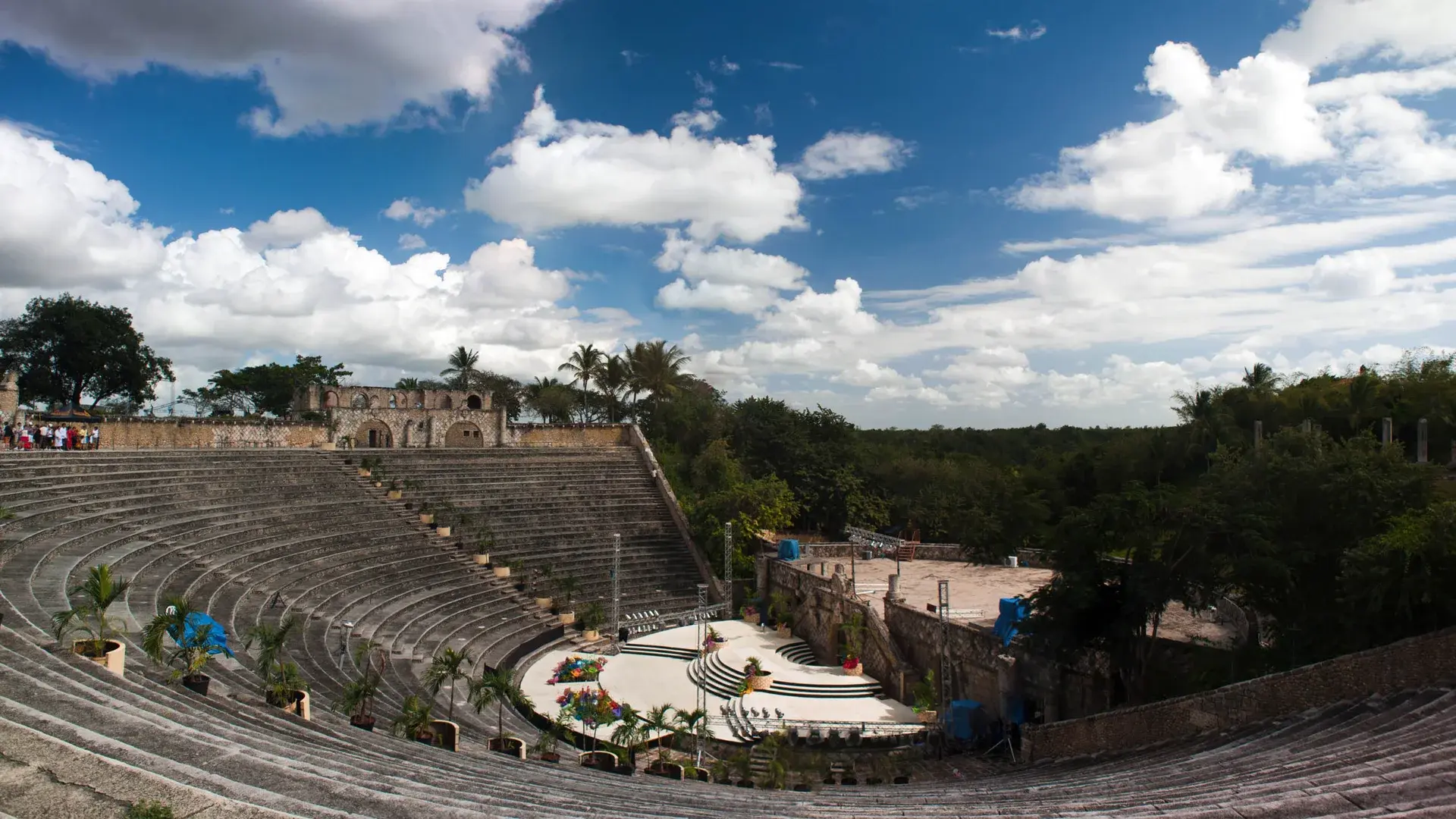
The stone amphitheater of Altos de Chavón seen from its curved upper rows, with the stage below, palm trees and white clouds

By day

Altos de Chavón: the stone village, its amphitheater and the trip from Punta Cana

In short

Altos de Chavón is a model 16th-century Mediterranean village inside Casa de Campo, La Romana, with a 5,000-seat amphitheater opened in 1982. A taxi from Punta Cana airport costs US$120 one way, but entry is limited to guests, residents and ticket holders.

Altos de Chavón looks old and is not: a stone village built in the late 1970s and early 1980s on a cliff above the Chavón River, with an amphitheater that has hosted Frank Sinatra and Shakira. It lies inside a private resort in La Romana, so the first question from Punta Cana is not how to get there but whether you will be let in. Here is what the official sources say.

What is Altos de Chavón?

A model 16th-century Mediterranean village, sculpted in stone, 300 ft above the Chavón River. The Ministry of Tourism says it was built over six years and opened in 1982.

Casa de Campo, the resort that owns it, credits the design to the Dominican architect José Antonio Caro and the Italian designer and cinematographer Roberto Coppa, with local artisans doing the handwork. The village stands inside Casa de Campo, in La Romana.

Can you visit Altos de Chavón from Punta Cana?

Not freely, according to the resort. Casa de Campo's own FAQ says access is limited to hotel guests, residents and their guests, plus scheduled photo shoots and educational museum visits.

The Ministry of Tourism's page still mentions an entrance fee for non-guests or a booked tour of the village, so the two official sources disagree. Ask Casa de Campo before you pay for a long taxi ride.

Concerts are the clear exception: concert-goers who are not staying at the resort show their ticket at the property entrance, and again at the amphitheater gate.

Altos de Chavón concerts

The amphitheater is the reason most people know the name. It has 5,000 seats in a Grecian layout and was inaugurated in 1982 by Frank Sinatra, and the Ministry of Tourism lists Juan Luis Guerra, Shakira, Sting and Elton John among its past performers.

The ministry says it hosts Dominican and international artists all year. On 5 November 2026, however, Casa de Campo's events calendar showed no dated amphitheater concert, only a monthly Jazzy Night in the village, so we publish no dates until the official calendar does.

What to see in Altos de Chavón

PlaceWhat it isHours published by Casa de Campo
The villageCobbled lanes, studios, galleries and shops09:00–18:00, usually every day
St. Stanislaus ChurchConsecrated in 1979, a favourite for weddings10:00–16:00, Monday to Friday
Archaeological Regional MuseumMore than 3,000 indigenous pieces09:00–17:00, Tuesday to Sunday
Altos de Chavón MarketMonthly market in the village10:00–16:00, last Saturday of the month
Altos de Chavón School of DesignDesign school affiliated with Parsons in New YorkNot a visitor attraction

How far is Altos de Chavón from Punta Cana?

Far enough to need a long-distance fare. The airport's 2024 long-distance taxi sheet prices Casa de Campo and La Romana at US$120 one way or US$150 return, for one to four people; each extra passenger pays US$20.

Inside Casa de Campo, the resort warns that the village is a 20 to 25 minute drive from its main area. The sheet's return fare is the one to ask about if you plan to come back the same day.

Altos de Chavón and your nights in Bávaro

A day or a concert in Altos de Chavón is a full trip, so leave the next party for another evening. If you are already heading south, the boats to Saona leave from Bayahíbe, as our Saona Island guide explains.

Every airport fare, local and long-distance, is in our Punta Cana airport taxi guide. The nights themselves are on our Bávaro nightlife page, and the party season returns in February 2027, with its dates on our 2027 season page.

Punta Cana Guide

Nights nearby

Quick answers

Can you visit Altos de Chavón without staying at Casa de Campo?

Casa de Campo's own FAQ says access is limited to hotel guests, residents and their guests, scheduled photo shoots and educational museum visits. The Ministry of Tourism still mentions an entrance fee for non-guests or a booked tour, so the official sources disagree; check with Casa de Campo first. Concert-goers with a ticket can enter by showing it at the property entrance.

Are there concerts at Altos de Chavón?

Yes. Its 5,000-seat amphitheater opened in 1982 with Frank Sinatra, and the Ministry of Tourism lists Juan Luis Guerra, Shakira, Sting and Elton John among past performers. On 5 November 2026 Casa de Campo's official events calendar showed no dated amphitheater concert, only a monthly Jazzy Night in the village, so watch that calendar for new dates.

How do I get from Punta Cana to Altos de Chavón?

By road. The 2024 long-distance taxi sheet published by Punta Cana airport prices Casa de Campo and La Romana at US$120 one way or US$150 return, for one to four people, with US$20 for each extra passenger. Inside Casa de Campo, the resort says the village is a 20 to 25 minute drive from its main area.

When was Altos de Chavón built?

The Ministry of Tourism says the village was built over six years and opened in 1982, the same year Frank Sinatra inaugurated its amphitheater. Its church, St. Stanislaus, was consecrated in 1979, according to Casa de Campo. The design is by the Dominican architect José Antonio Caro and the Italian designer and cinematographer Roberto Coppa, working with local artisans.

What are the opening hours of Altos de Chavón?

Casa de Campo says the village is typically open every day from 09:00–18:00, although hours vary by business and on concert days. The Archaeological Regional Museum opens Tuesday to Sunday, 09:00–17:00, and St. Stanislaus Church takes visitors Monday to Friday, 10:00–16:00. Remember that access itself is limited to the groups the resort allows in.

Checked sources (3)

Punta Cana Guide

Keep reading

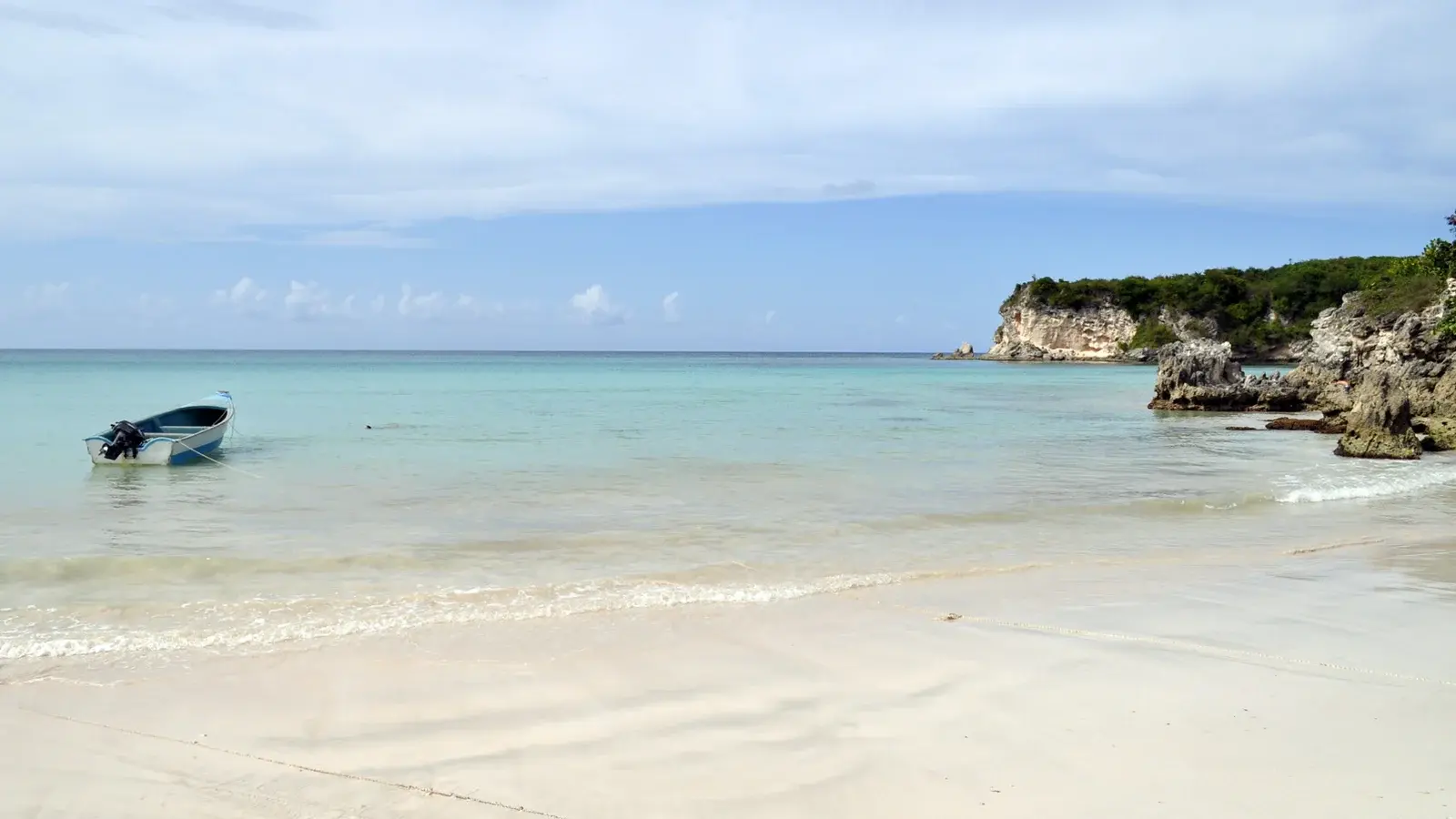
  • Playa Macao: white sand and pale turquoise water, a small motorboat at anchor and a limestone point covered in green scrub

    By day

    Macao beach and the beaches beyond Bávaro: Juanillo, Cabeza de Toro, Uvero Alto

    Bávaro gets the hotels and the photos, but the Punta Cana coast runs for more than 50 km of sand, and its other beaches each have a character of their own. Here are the four that come up most, what the Ministry of Tourism says about each, how far they are by taxi and what the law says about getting onto the sand.

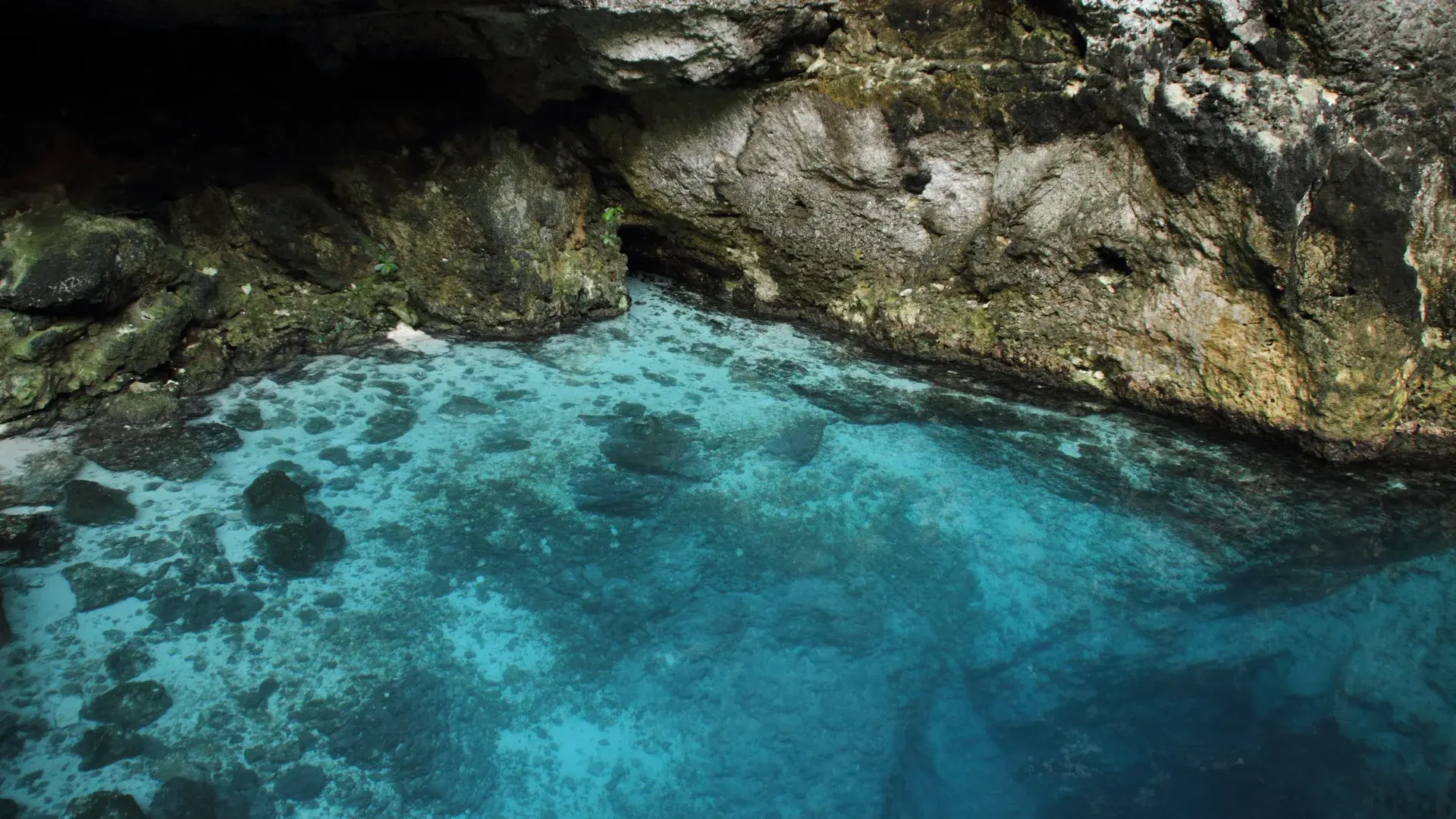
  • The turquoise water of Hoyo Azul, the cenote in Cap Cana, under an overhanging grey limestone wall

    By day

    Hoyo Azul and Scape Park: Cap Cana's cenote, ticket and trail

    Hoyo Azul is the blue pool at the foot of a limestone cliff that most Punta Cana photo feeds end up showing. It sits inside a private adventure park in Cap Cana, so the ticket, the hours and the way in are set by the park. This is what Scape Park and the Ministry of Tourism publish, figure by figure.

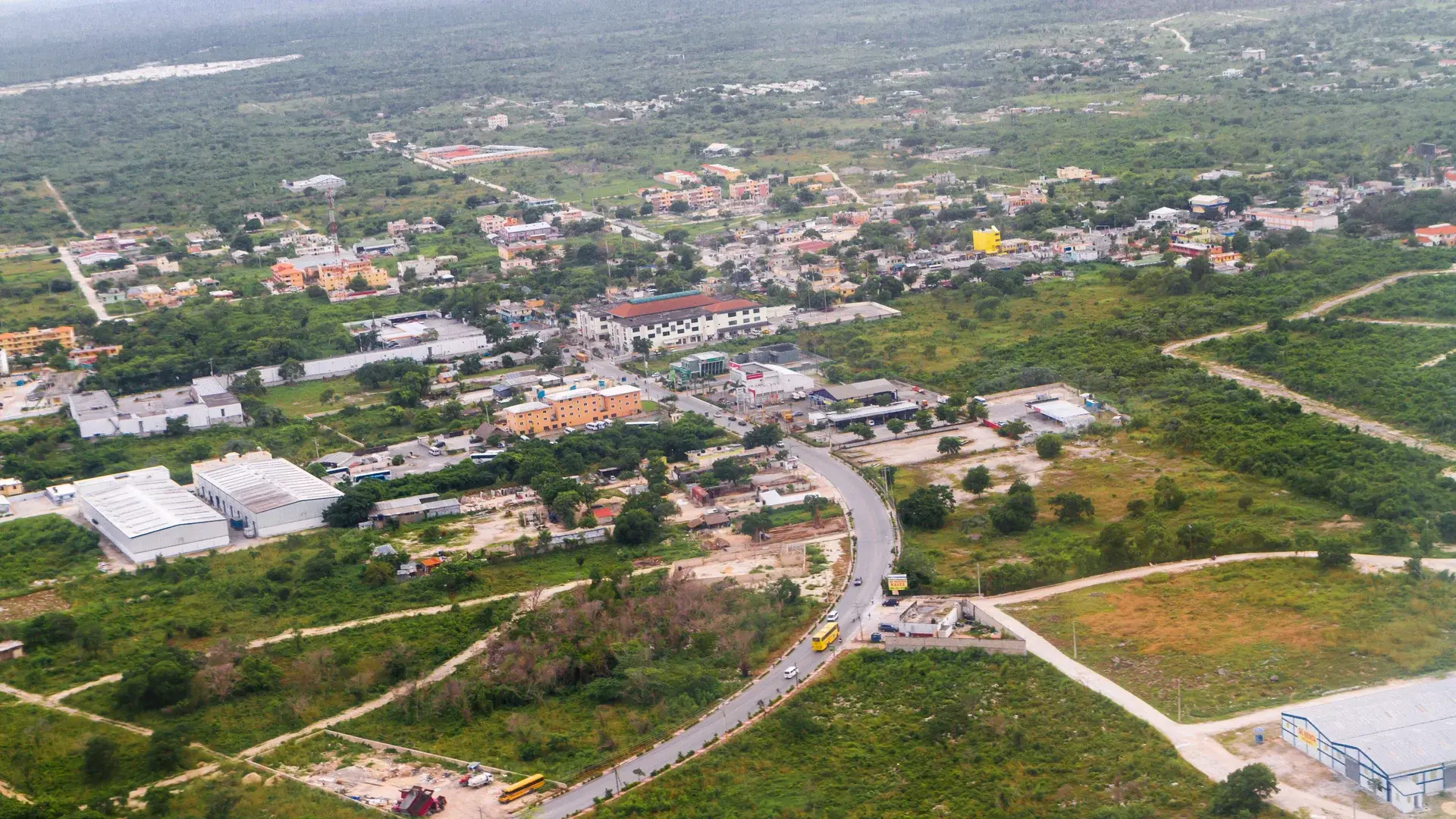
  • Aerial view of Verón, the town that gives the Verón-Punta Cana district its name: low houses, warehouses and a curving road through green scrubland

    Areas & towns

    Bávaro, Punta Cana or Cap Cana: which is which

    Hotels, flights and taxi drivers all say Punta Cana, yet the address on your booking may read Bávaro, Cap Cana or Uvero Alto. Here is what each name means, which ones are official, and which one to give a driver when you head out at night.

See the guide