Skip to the contentPunta Cana 2027: the list hears it first when the new dates go on saleJoin the 2027 list
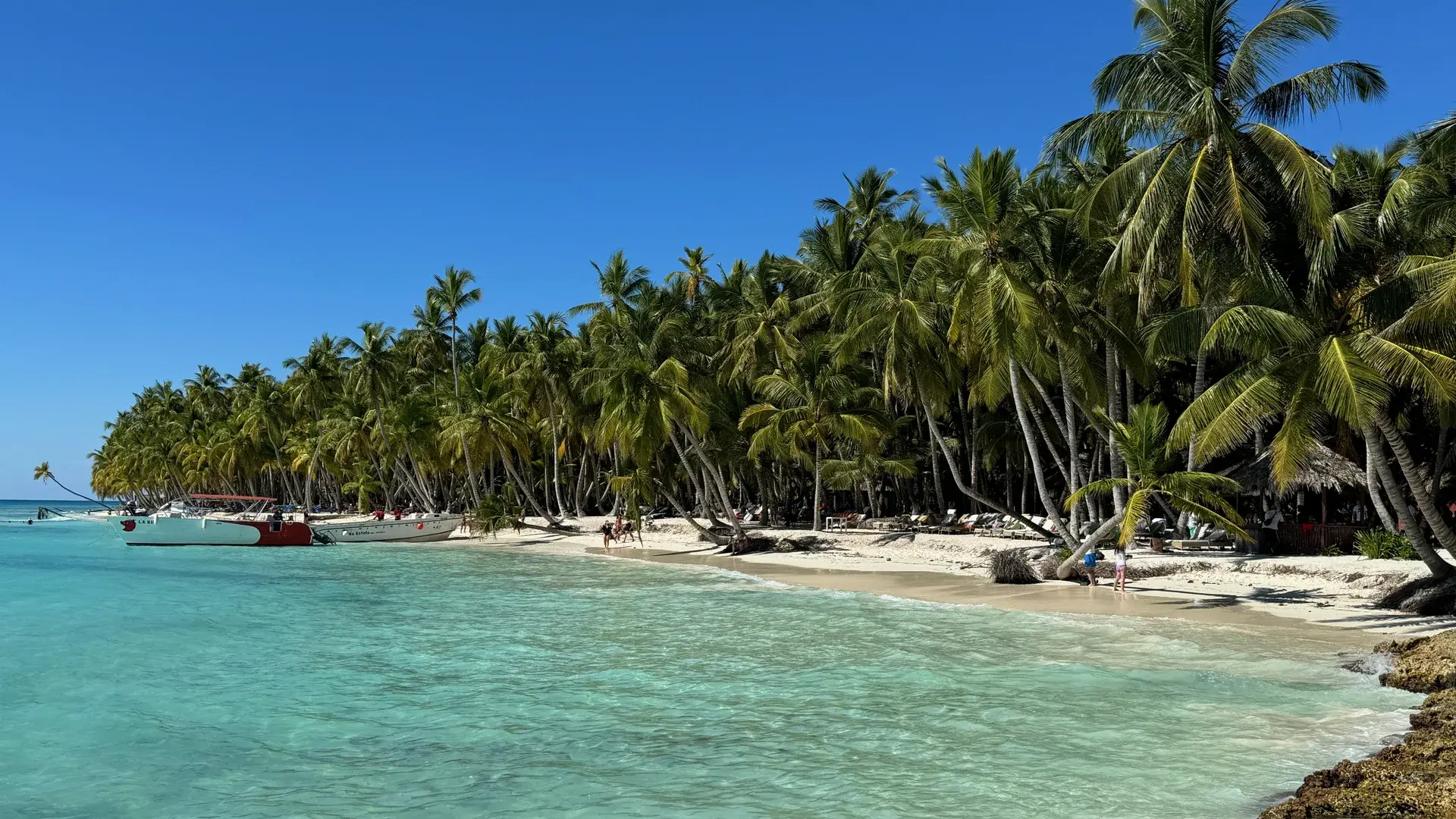
A white-sand beach on Saona Island lined with leaning coconut palms, with two boats moored in the turquoise shallows

By day

Saona Island: the national-park day trip from Punta Cana

In short

Saona is a 110 km² island inside Cotubanamá National Park, in the south-east of the Dominican Republic. Most boat trips leave from Bayahíbe, which costs US$100 one way by taxi from Punta Cana airport on its published sheet.

Saona is the day most visitors to Punta Cana spend at sea, and it is also a national park with rules of its own. Here is where it is, how you reach the boats, what the Ministry of Environment asks of visitors, and how to place the trip so it doesn't eat a night out.

Where is Saona Island?

Off the south-east coast of the Dominican Republic, inside Cotubanamá National Park. The Ministry of Environment places the park in the east of the country, between the provinces of La Romana and La Altagracia, and the Ministry of Tourism gives the island 110 km² of protected land.

It has been protected since Decree 1311 of 1975. The Ministry of Environment counts more than 1,000,000 national and foreign visitors a year.

How do you get to Saona from Punta Cana?

By boat, and most boats leave from Bayahíbe. The Ministry of Tourism says most trips depart from the village's small waterfront, on anything from a speedboat to a catamaran.

If you go to Bayahíbe on your own, the long-distance taxi sheet published by Punta Cana airport prices it at US$100 one way or US$130 return, for one to four people; each extra passenger pays US$20. The rest of the airport's fares are in our guide to the Punta Cana airport taxi.

Boat times and excursion prices are set by each operator, so we don't publish them.

What is there on Saona?

White beaches under coconut palms, a natural pool and one village. The Ministry of Tourism names two usual stops: Palmilla, a white stretch with a wide natural pool, and Mano Juan, the only inhabited part of the island.

Mano Juan has about 500 residents, according to the Ministry of Environment, which runs a project there to bring drinking water and sanitation and to order the flow of visitors. The Ministry of Tourism also calls Saona the country's most important turtle-nesting site.

What are the rules for visiting Saona?

No foam and no single-use plastic, for a start. Resolution 0024-2023 of the Ministry of Environment bans polystyrene foam and single-use plastic in Cotubanamá National Park and in the Isla Catalina Natural Monument.

As a national park, Cotubanamá is a category II protected area. Article 14 of the Protected Areas Law (Law 202-04) allows research, education, recreation, nature tourism and ecotourism there, and the Ministry says it will not allow building or activities against the law or the park's management plan.

In practice: carry a refillable bottle and take back everything you bring, and leave the nesting beaches alone.

Saona between two nights out

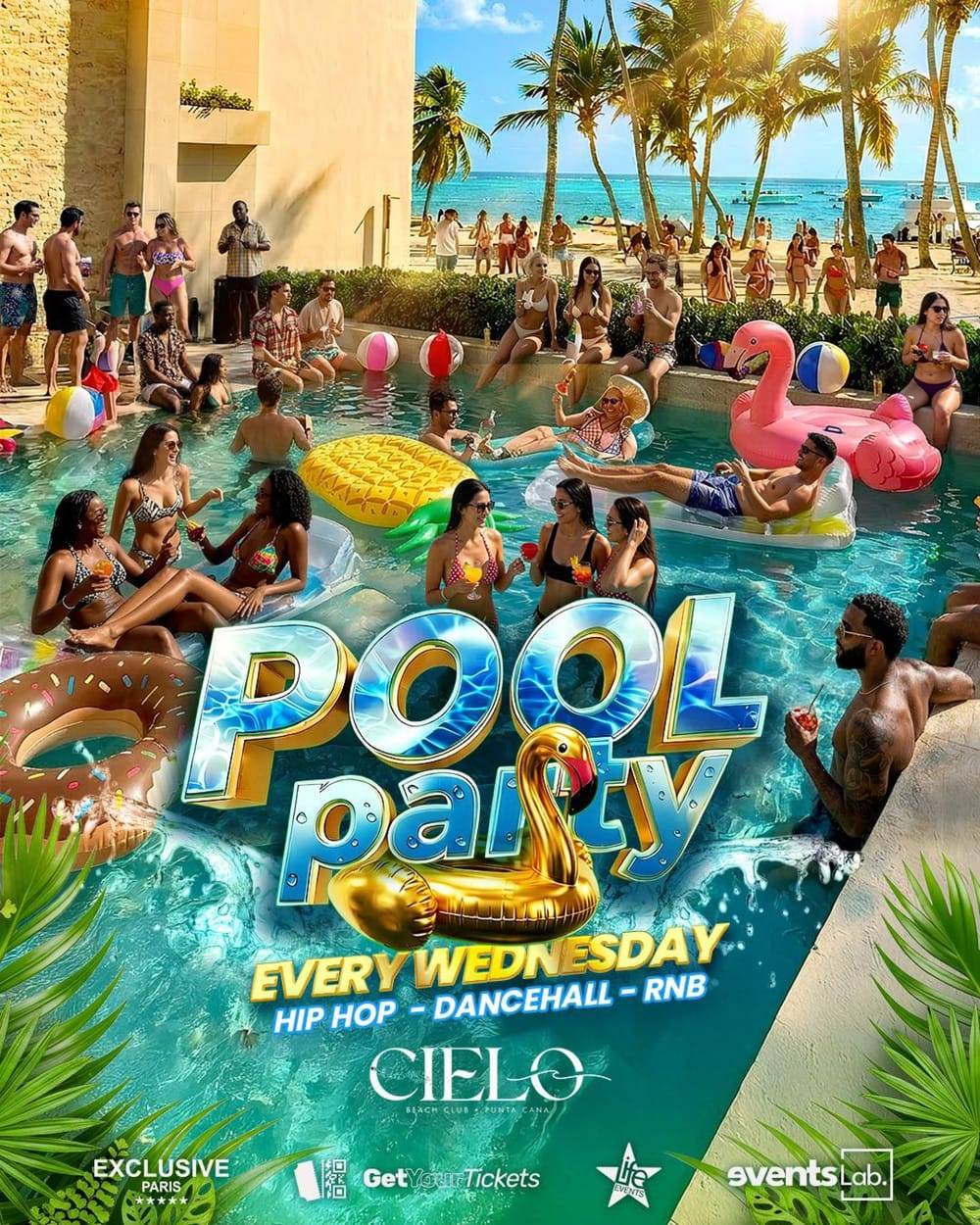
Pick a day without a party in the evening. In the 2026 season, the Pool Party at Cielo Beach Club ran on Wednesdays, 15:00–20:00, so a Saona day fitted better on any other day of the week.

The party season returns in February 2027; the dates appear on our 2027 season page as soon as they're on sale. After a day on the boat, the evening options in Bávaro are on our Bávaro nightlife page.
Punta Cana Guide

Nights nearby

The venues in this article

Quick answers

Where is Saona Island?

Saona is off the south-east coast of the Dominican Republic and belongs to Cotubanamá National Park, which the Ministry of Environment places between the provinces of La Romana and La Altagracia. The Ministry of Tourism gives it 110 km² of protected land, with Mano Juan as its only inhabited village.

How do I get to Saona Island from Punta Cana?

By boat, usually from Bayahíbe: the Ministry of Tourism says most trips leave from the village's small waterfront, by speedboat or catamaran. Getting to Bayahíbe by taxi from Punta Cana airport costs US$100 one way on the long-distance sheet the airport publishes, for up to four people. Boat times depend on each operator.

Is there an entrance fee for Saona Island?

Saona is part of Cotubanamá National Park, which the Ministry of Environment manages. We could not find the park's current visitor fee published on the ministry's website, so we don't quote one. If you book a boat trip, ask the operator whether the park entry is included in what you pay.

Can I take plastic bottles to Saona?

Single-use plastic is banned. Resolution 0024-2023 of the Ministry of Environment prohibits polystyrene foam and single-use plastic in Cotubanamá National Park, which includes Saona, and in the Isla Catalina Natural Monument. Bring a refillable bottle and take back everything you carry onto the island.

Does anyone live on Saona Island?

Yes. Mano Juan, the only inhabited part of the island, has about 500 residents according to the Ministry of Environment. Its communities were there before the area was declared protected in 1975, and the ministry runs a project to bring drinking water and sanitation and to organise the flow of visitors.

Checked sources (3)

Punta Cana Guide

Keep reading

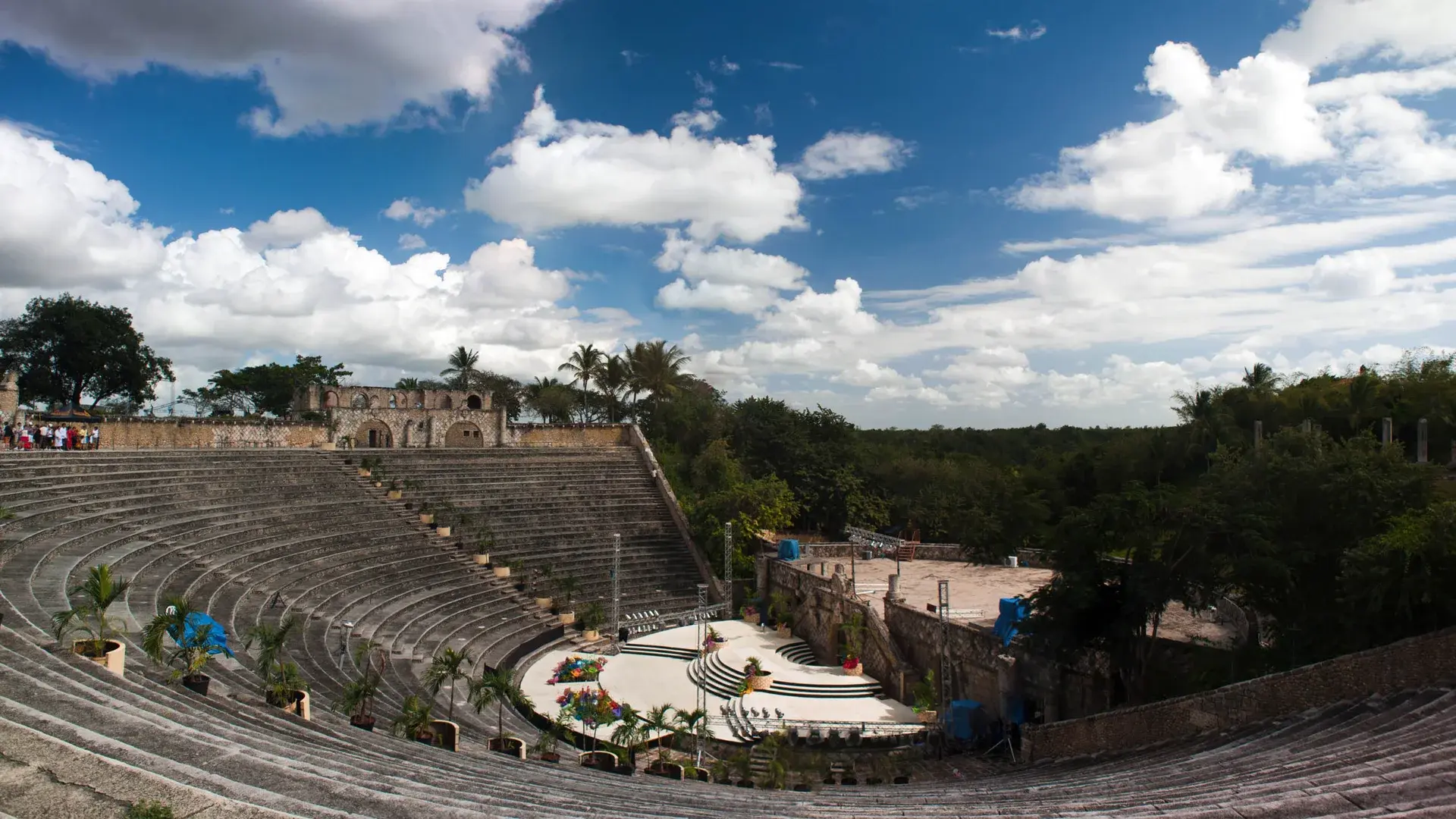
  • The stone amphitheater of Altos de Chavón seen from its curved upper rows, with the stage below, palm trees and white clouds

    By day

    Altos de Chavón: the stone village, its amphitheater and the trip from Punta Cana

    Altos de Chavón looks old and is not: a stone village built in the late 1970s and early 1980s on a cliff above the Chavón River, with an amphitheater that has hosted Frank Sinatra and Shakira. It lies inside a private resort in La Romana, so the first question from Punta Cana is not how to get there but whether you will be let in. Here is what the official sources say.

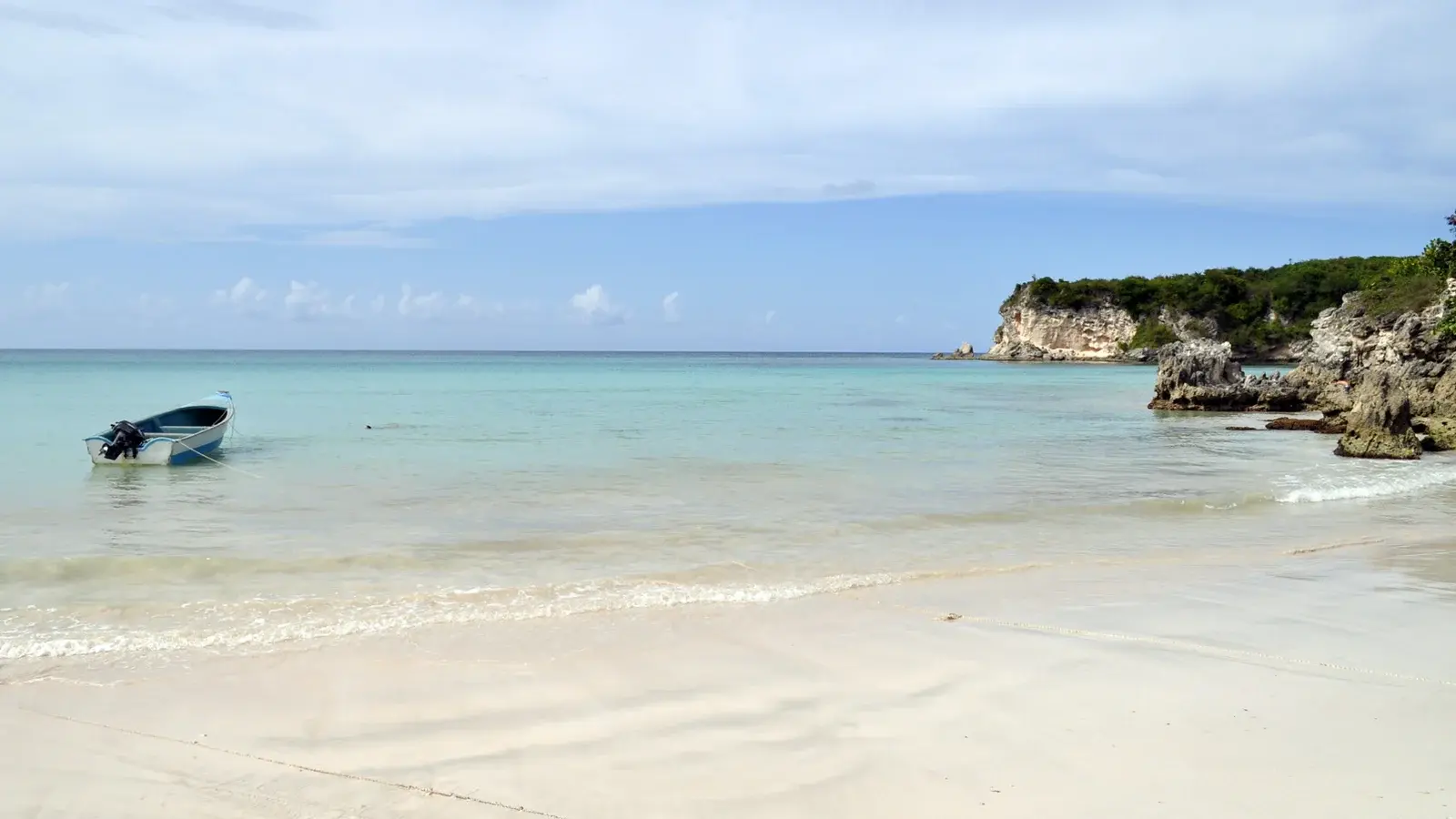
  • Playa Macao: white sand and pale turquoise water, a small motorboat at anchor and a limestone point covered in green scrub

    By day

    Macao beach and the beaches beyond Bávaro: Juanillo, Cabeza de Toro, Uvero Alto

    Bávaro gets the hotels and the photos, but the Punta Cana coast runs for more than 50 km of sand, and its other beaches each have a character of their own. Here are the four that come up most, what the Ministry of Tourism says about each, how far they are by taxi and what the law says about getting onto the sand.

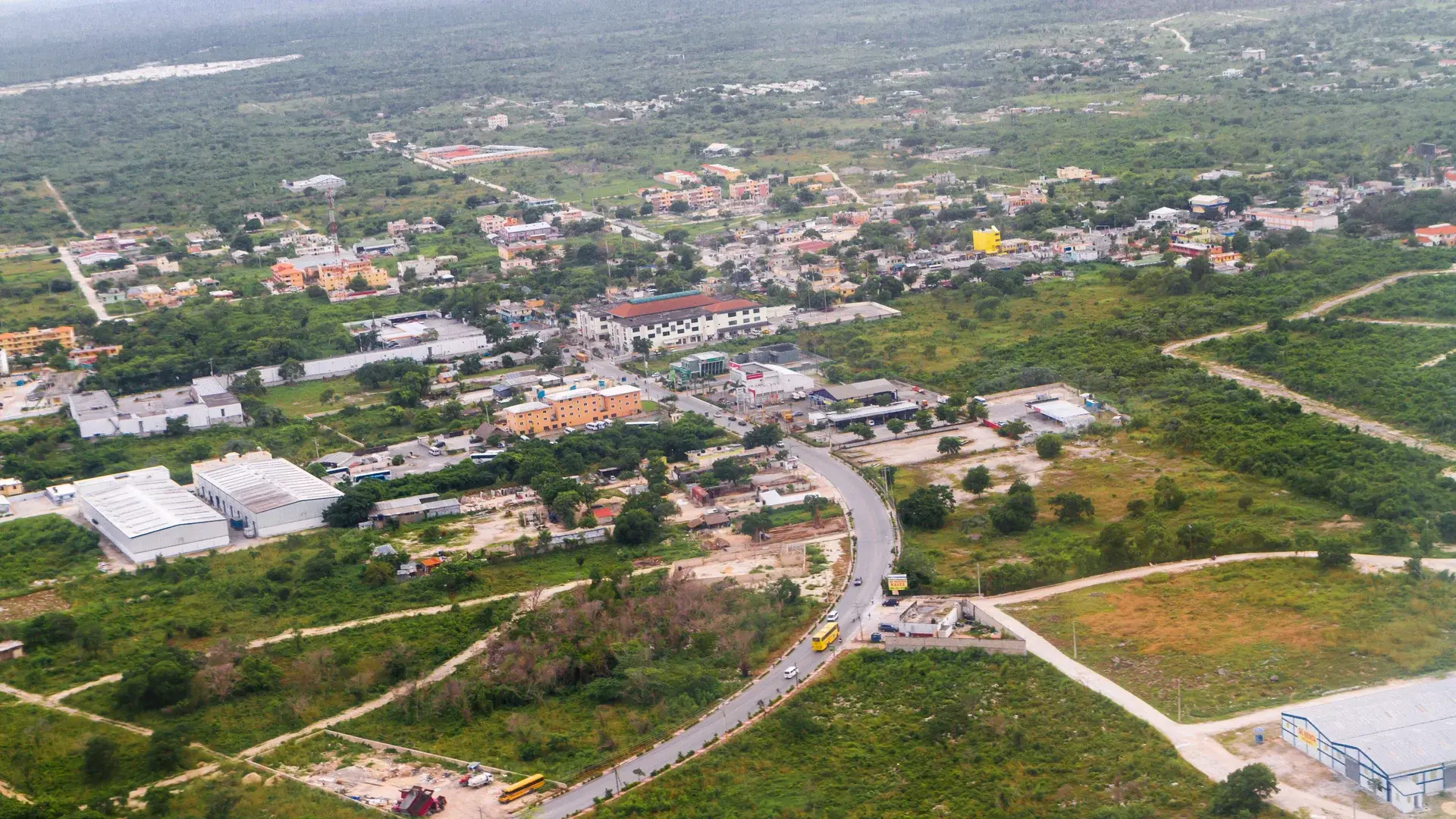
  • Aerial view of Verón, the town that gives the Verón-Punta Cana district its name: low houses, warehouses and a curving road through green scrubland

    Areas & towns

    Bávaro, Punta Cana or Cap Cana: which is which

    Hotels, flights and taxi drivers all say Punta Cana, yet the address on your booking may read Bávaro, Cap Cana or Uvero Alto. Here is what each name means, which ones are official, and which one to give a driver when you head out at night.

See the guide