What currency is used in Punta Cana?
The Dominican peso, code DOP, written RD$. The Monetary and Financial Law, Ley 183-02, makes the national currency the only legal tender with full discharging power for all public and private obligations across the country, divided into one hundred centavos.
The same law sets a regime of free convertibility. People and businesses may deal in foreign currencies on the terms they freely agree, and a debt is paid in the currency agreed or, without such an agreement, in pesos.
Pesos or dollars: which should you bring?
Pesos settle any bill, because the law gives them full discharging power. Dollars work where the seller agrees to take them, since the same law leaves foreign-currency deals to what both sides agree.
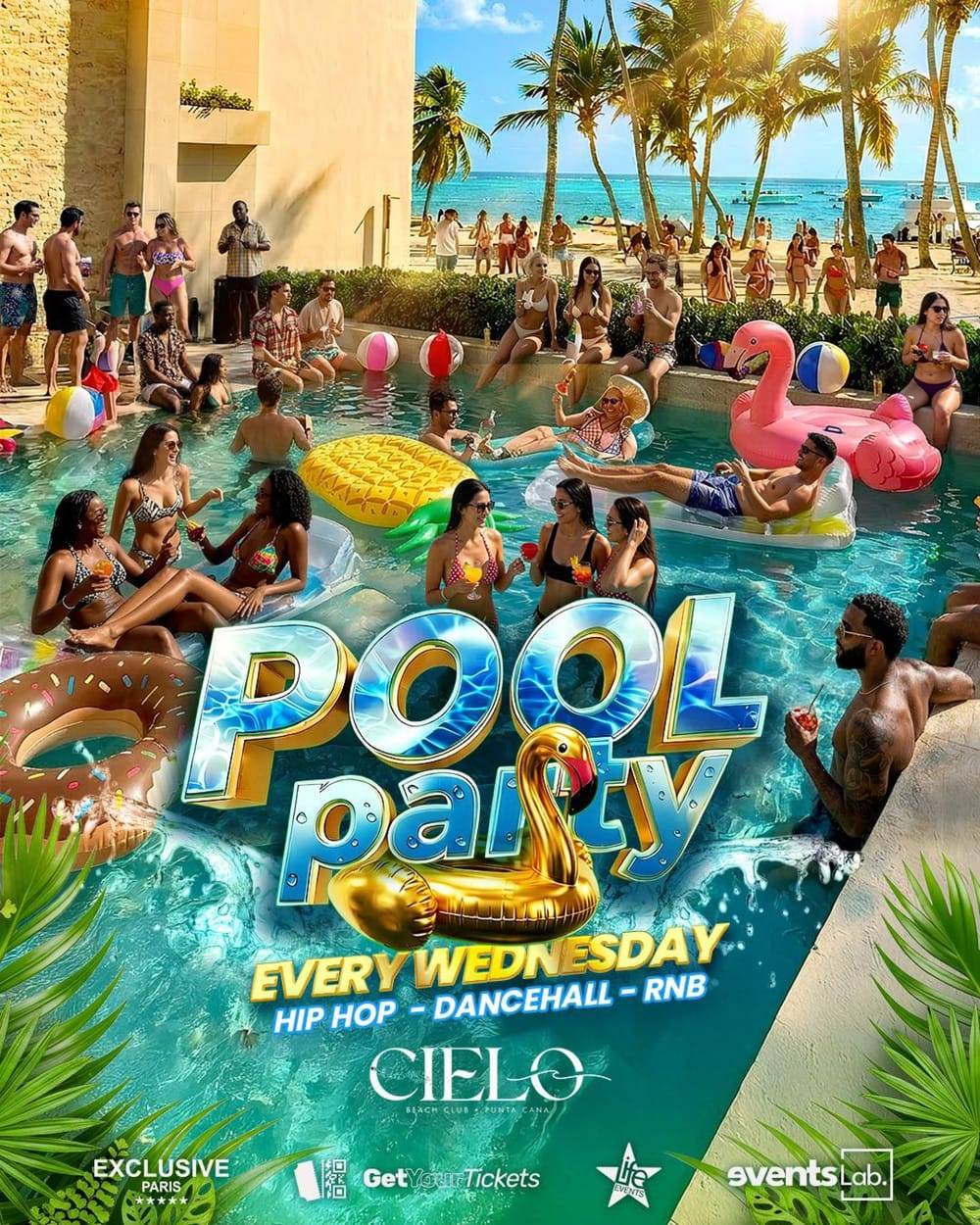
Some venues quote in dollars. Cielo Beach Club in Bávaro lists its day pass at US$30, fully consumable, and its adults-only rooftop at a US$25 minimum spend.
What is the official exchange rate today?
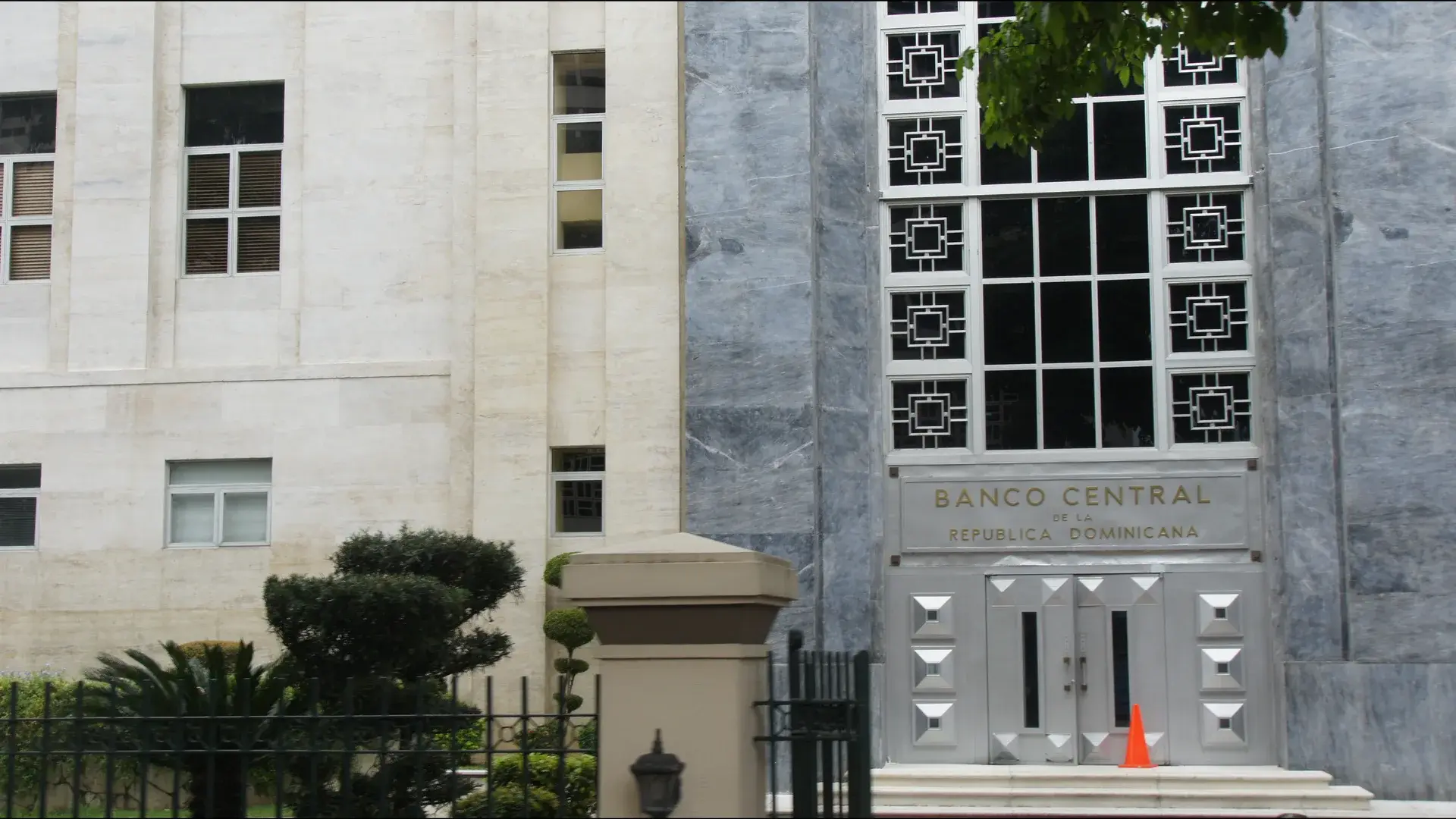
The Banco Central de la República Dominicana publishes a reference rate every working day. At the close of 4 November 2026 it was 60.5704 pesos per US dollar buying and 61.0459 selling, the weighted average of that day's spot-market trades.
For other currencies it publishes a daily buying rate. These were the figures for the same day, in pesos per unit:
The law leaves exchange prices to the market, so a bank or exchange office may quote differently. Check its board before you hand over your notes.
| Currency | Pesos per unit, Banco Central buying rate |
|---|---|
| US dollar (USD) | 60.5704 |
| Euro (EUR) | 68.2447 |
| Canadian dollar (CAD) | 43.2658 |
| Pound sterling (GBP) | 81.6731 |
Where can you change money in Punta Cana?
At a bank or an authorised exchange agent. The Superintendencia de Bancos lists the 41 companies that the Junta Monetaria has authorised to buy and sell foreign currency, as exchange agents or remittance-and-exchange agents.
Germany's Federal Foreign Office adds hotels to the authorised places. It warns against changing money in the street, where you risk fraud, counterfeit notes or low-value foreign currency.
Bring small notes. The German and Spanish foreign ministries both report that €200 and €500 notes are hard to change, and Germany suggests €50 notes instead.
Can you pay by card or use ATMs?
Yes. According to Germany's Federal Foreign Office, almost all hotels, shops and restaurants accept the usual credit cards, and many ATMs take credit cards and some debit cards.
Card fraud is the catch. Spain's foreign ministry reports numerous complaints of card cloning in the tourist areas of Bávaro and Punta Cana, and Canada's travel advice says skimming is a common scam.
Their advice lines up: use ATMs inside a bank or a busy shopping centre, cover the keypad with your hand, keep an eye on your card and check your statements for charges you don't recognise.
How much cash can you bring in?
As much as you like, but from US$10,000 you must declare it. Germany and Spain both give that threshold, and the declaration goes on the customs section of the Dominican Republic e-ticket, the form every traveller fills in.
Spain adds that the declaration must justify where the money comes from and where it is going.
Money for a night out in Bávaro
Carry little cash and keep your phone and card out of sight. Every foreign ministry quoted here says so, and Canada notes that thieves may try to snatch visible money or grab a phone from your hand.
At Cielo, the pass is spent rather than lost: the US$30 goes on food and drink, as Cielo Beach Club from noon to midnight explains. For the rest of the evening, our Bávaro nightlife page shows where the venues are.