Is the tip included in the bill in Punta Cana?
Yes, by law. Article 228 of the Dominican Labour Code (Law 16-92) obliges hotels, restaurants, cafés, bars and any business that serves food or drink to be consumed on the spot to add 10% to the customer's bill as a tip.
The Ministry of Tourism says the same in plainer words: restaurant bills automatically include a 10% service charge. In bars and hotels it works the same way, because the law names them too.
So the starting point is not how much to add, but what is already there. Check the bottom of the bill before you leave anything.
What are the 10% and the 18% on a Dominican bill?
One is a tip for the staff, the other is a tax for the state. The ITBIS is the Dominican consumption tax on goods and services, what other countries call VAT, and the tax office (DGII) has set it at 18% since 2016.
| Line on the bill | What it is | Rate | Who sets it |
|---|---|---|---|
| Legal tip (propina legal) | A tip shared among the workers who served you | 10% | Labour Code, Law 16-92, article 228 |
| ITBIS | Tax on goods and services, the Dominican VAT | 18% | Dirección General de Impuestos Internos (DGII) |
Should you tip extra on top of the 10%?
It's up to you; no law asks for more. The Ministry of Tourism, though, calls it customary and good practice to leave an additional 10% so that the person who served you receives a tip.
The Labour Code itself makes the distinction. Article 197 separates the compulsory tip of article 228 from the voluntary tip paid by the customer directly to the worker, and says neither counts as part of the salary.
At an all-inclusive, the same article 228 names hotels among the businesses that add the 10%. We found no official guidance on how all-inclusive packages show it, so look at your booking terms or the hotel's invoice.
Who receives the 10% service charge?
The staff, not the house. Article 228 says the money must be shared in full among the workers who provided the service, and article 229 asks employers to settle it weekly or at another agreed interval.
The regulation that applies the Code (Regulation 258-93, article 39) spreads it among everyone who serves customers, except administration staff. The shares can differ by skill level and by how directly each person serves you, as agreed in each establishment.
Takeaway and delivery: no legal tip
The 10% applies only when you eat or drink on the premises. Pro Consumidor, the national consumer-protection agency, said so in an official notice of 30 August 2016: if you order to take away or for delivery, that percentage cannot be charged.
That covers the late snack you carry back to your room after a night out. If a takeaway bill shows the legal tip, you can raise it with Pro Consumidor.
Do you tip taxi drivers in Punta Cana?
Not as a rule. The Ministry of Tourism says taxis do not receive gratuity, and suggests rewarding the driver only if the service was exceptional or they helped you with something specific.
There is no ITBIS on the ride either: the DGII lists land passenger transport among the services exempt from the tax. For the trip back from a night out, the same ministry advises going out in groups and using a taxi recommended by your hotel.
At the beach club and on a night out
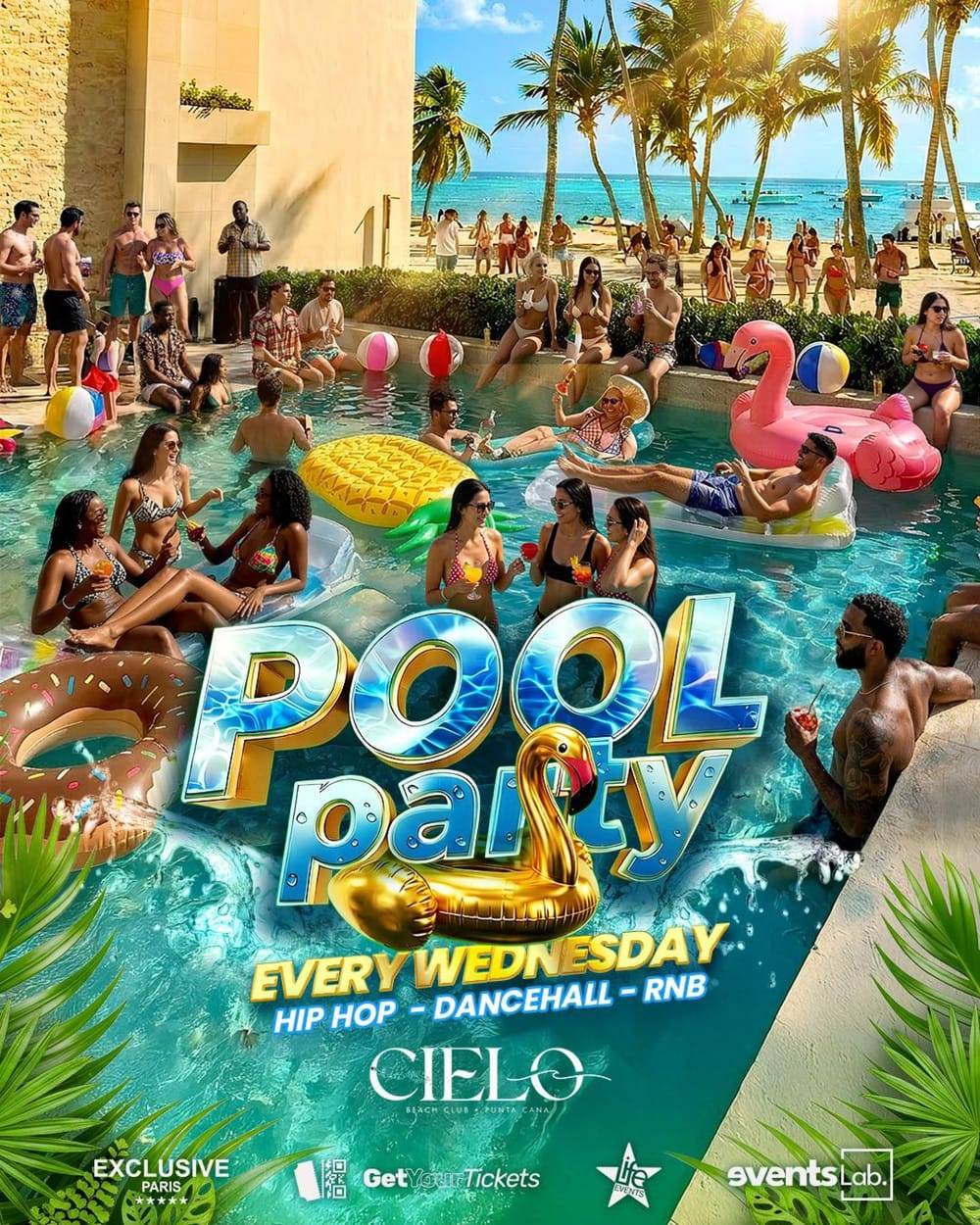
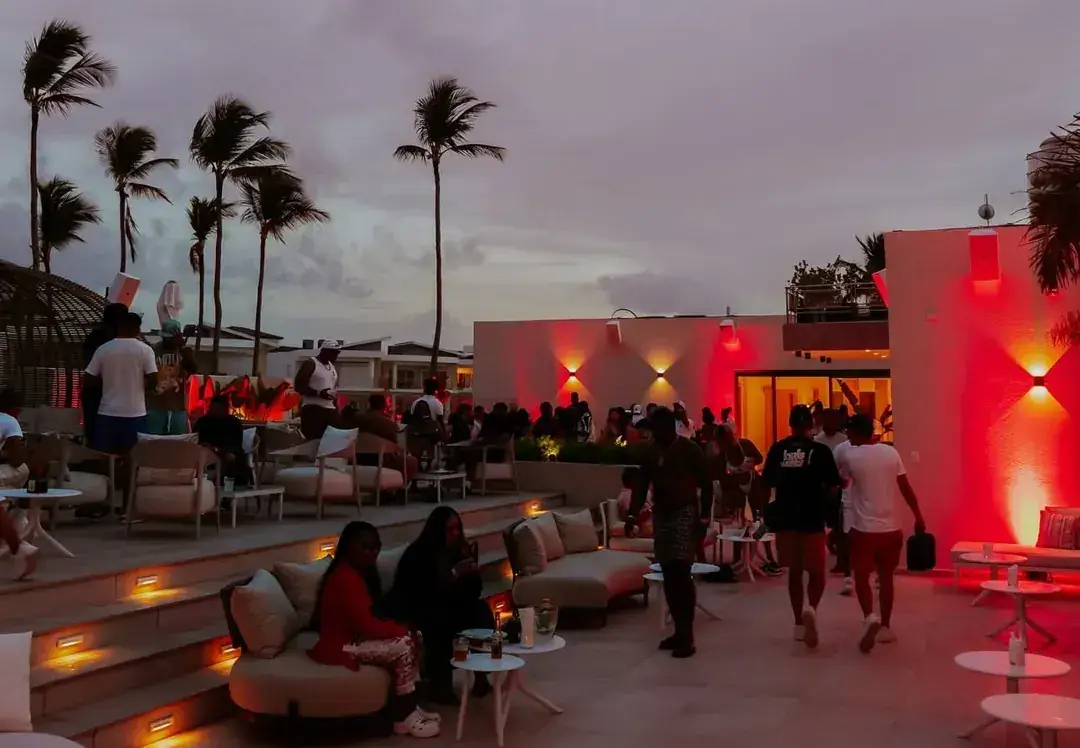
Cielo Beach Club publishes its prices in US dollars: a US$30 day pass that you spend in full on food and drink, and a US$25 minimum spend on the adults-only rooftop. Its website doesn't say whether those amounts include the ITBIS or the legal tip, so ask when you book.
How a whole day there unfolds, from the pools at noon to the rooftop at sunset, is in Cielo Beach Club from noon to midnight. Whether to pay in pesos or dollars, and where to change money, is in pesos or dollars in Punta Cana.
For the rest of the night in Bávaro, our Bávaro nightlife page lists the venues with their addresses.